HVAC Zoning: Individualized Comfort

Many larger homes use a zoned HVAC system instead of a single thermostat for the entire house. These systems divide the home into separate areas, or zones, that can be heated or cooled independently. A common setup includes one thermostat for the first floor and another for the second floor, though both connect to the same heating and cooling equipment.

The goal is individualized comfort in different parts of a home, on demand and often automatically adjusting temperatures throughout the day. Upper floors can get warmer, rooms with large windows may heat up quickly, and areas with less direct sunlight often stay cooler. Zoned systems allow the thermostats in each area to call for heating or cooling based on the conditions in that part of the home.

While the idea is simple, the system itself is more complex than a traditional HVAC setup.

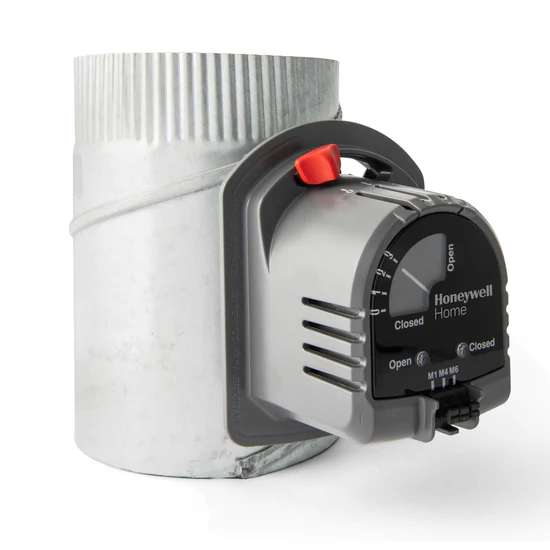
In addition to the heating and cooling equipment, a zoned system usually includes multiple thermostats, a control panel, and motorized dampers located within the ductwork. When a thermostat calls for heating or cooling, the control panel adjusts the dampers to open or close, directing airflow to the right areas of the home.

Because the system relies on several components working together, problems can arise in more than one part of the setup instead of being limited to a single piece of equipment.

One issue sometimes found during inspections is temperature differences between zones. Homeowners may notice that one area of the house stays uncomfortable even when the thermostat seems to work normally. In some cases, a damper might not open or close properly. A thermostat, control board, or wiring issue can also hinder the system from responding as it should.

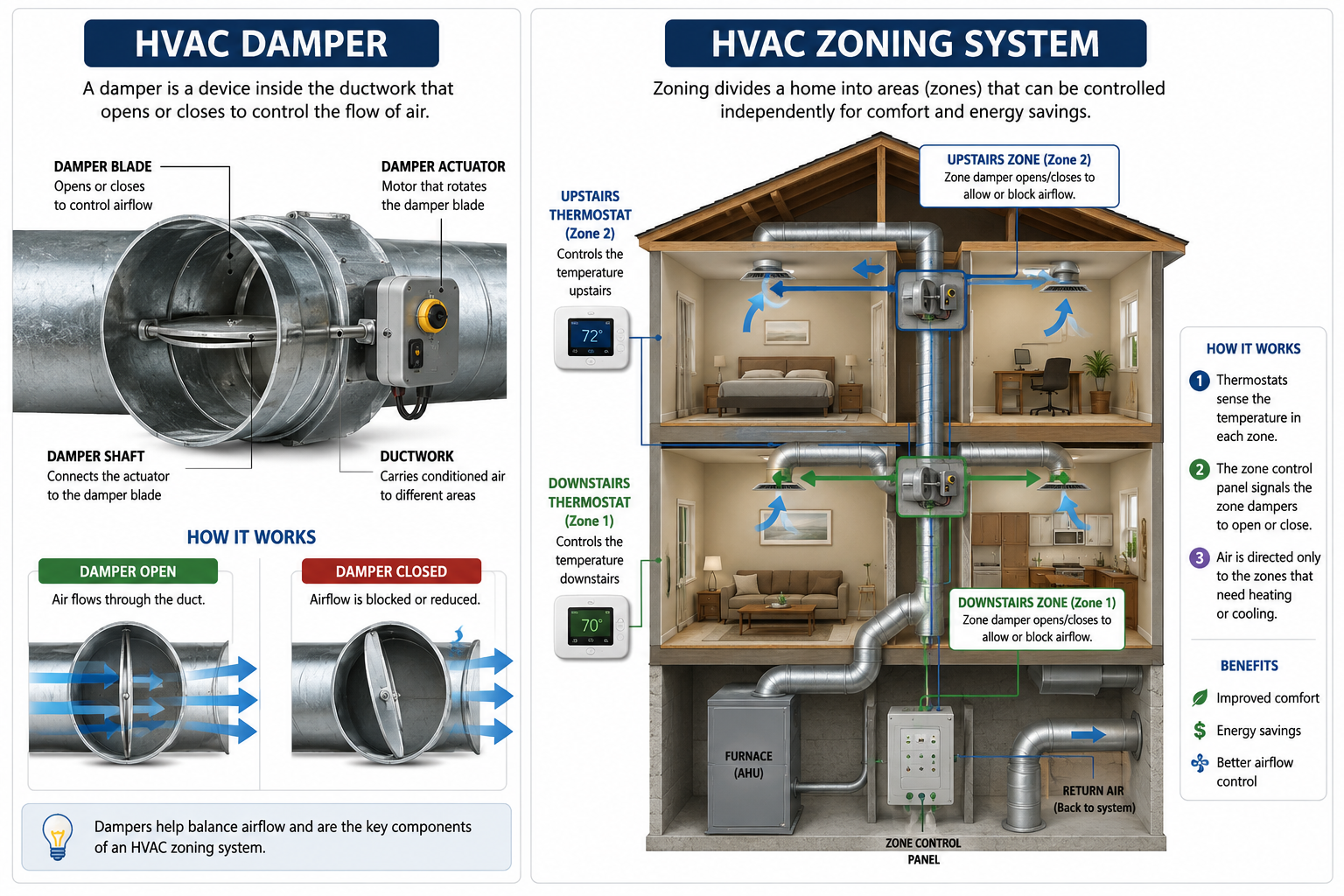
Detecting damper problems can be tough without further evaluation. Many dampers are in attics, crawl spaces, or other hard-to-reach areas. During a home inspection, we can often check basic system operation, but identifying the exact cause of uneven heating or cooling may need additional diagnosis from an HVAC contractor.

Another condition that can arise is excessive airflow noise. If dampers close off parts of the duct system while the HVAC equipment keeps running, air pressure in the ducts can increase. This may cause whistling sounds, rattling vents, or other airflow-related issues. Some systems come with bypass components or other design features meant to manage these pressure changes.

Maintenance is also critical for zoned systems. Thermostats, dampers, control boards, and HVAC equipment all need to work properly for the system to perform as intended. If one part of the system fails, it can affect comfort in one or more areas of the home.

For homeowners, the main advantage of a zoned HVAC system is better temperature control between different areas of the house. When it works correctly, it helps reduce the common imbalance between floors and living spaces. The downside is added complexity, which can make troubleshooting more complicated when something isn’t working right.

When an inspection report notes a zoned HVAC concern, the recommendation usually focuses on confirming the proper operation of the thermostats, dampers, and control components. In many cases, the heating and cooling equipment itself is functioning normally, while zoning components can affect performance in varying areas of the home.