Ensure Your Home is Safe with
Doors that Latch Securely

A door that doesn’t latch properly is one of those small issues that often gets overlooked until it becomes annoying. In home inspections across North Carolina, this is a common finding, especially in older homes or in houses where settling has started to affect the framing and trim alignment.

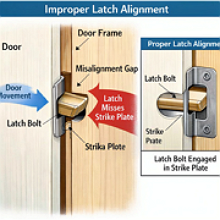
A door latch is simple. The latch bolt needs to align with the strike plate on the door frame so it can extend fully and keep the door closed. When the alignment is off, the door may need to be pushed, lifted, or pulled to close. Sometimes, it won’t stay closed at all.

Paint buildup is another quiet factor. Multiple layers of paint on a door edge or strike plate can interfere with how smoothly the latch engages. It doesn’t usually cause a complete failure on its own, but it can create enough resistance that the door doesn’t close cleanly anymore.

Humidity also plays a role. Wood doors and frames absorb moisture, and in North Carolina’s climate, seasonal changes can cause them to swell slightly. A door that works fine in winter may start sticking or shifting out of alignment in summer when conditions change.

A door that doesn’t latch is typically noted in inspection reports as a functional concern. It affects everyday use and can relate to safety, especially for exterior doors where secure closure is important. The fix is often straightforward, but understanding the underlying cause is important before making adjustments.

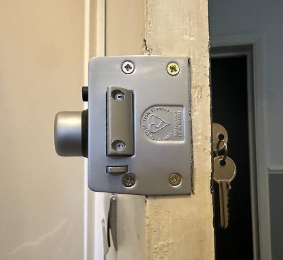
Sometimes it’s simply a hinge adjustment. Tightening screws or slightly repositioning the strike plate can bring everything back into line. Other times, it points to a broader issue like seasonal movement or framing that has shifted out of square.

It’s not a defect that usually signals serious structural problems on its own, but it does provide a glimpse into how the house is behaving. Doors are sensitive to movement and wear, so they often show early signs of changes that aren’t obvious elsewhere yet.

A properly latching door should close with normal pressure and stay shut without needing to be forced. When this stops happening, it’s usually due to something small, but it becomes noticeable once you pay attention to how the door meets the frame.